Exploring Mini Skate Decks: Culture and Trends
Intro
In the fast-evolving landscape of skateboard culture, mini skate decks have carved out a niche that appeals to a wide range of enthusiasts. From the young rider just catching the thrill of balancing on wheels to seasoned skaters looking to fine-tune their tricks, mini skate decks serve as a bridge between various skill levels and styles. This article ventures into the intriguing world of these compact boards, exploring not just their functional advantages but also their cultural significance.
As we peel back the layers, you’ll discover how design nuances, material choices, and customization trends contribute to the charm of mini skate decks. Whether you're a collector or a casual skater, understanding these components enriches the overall experience. So, grab your helmet, and get ready for a deep dive into the essence of mini skateboarding!
Techniques and Skills
Essential Tricks for Beginners
For those stepping into the world of mini skateboarding, starting with basic tricks is a good way to build confidence. Here are some essential moves:
- Ollie: This foundational trick involves popping the tail of the board to jump into the air, allowing the rider to clear obstacles.
- Kickflip: A natural progression from the ollie, this requires the rider to flick their foot off the side of the board, adding a spin while airborne.
- Shuvit: A twist on the ollie, where the board rotates horizontally beneath the rider’s feet without flipping.
Practicing these tricks on a mini deck enables riders to develop balance and control more easily due to the smaller size. The lighter weight also adds an extra layer of responsiveness, making it ideal for mastering these moves.
Advanced Techniques for Pros
For the seasoned riders, mini skate decks present a platform for pushing the boundaries of creativity and skill. Here are a few advanced tricks that showcase the potential of mini skating:
- Heelflip: Like the kickflip, but using the heel to flip the board, allowing for unique variations.
- 360 Shuvit: Elevating the standard shuvit by performing a full three-sixty spin of the board.
- Noseblunt Slide: A technical trick where the rider slides the board’s nose on an edge, combining balance and precision.
These techniques require significant practice and a thorough understanding of the mini deck's dynamics. Advanced riders often utilize these tricks to express personal style, set trends, and inspire the next generation of skaters.
Skateboarding Culture
The Evolution of Skateboarding
Mini skate decks didn’t emerge in a vacuum; they are part of the larger story of skateboarding’s evolution. From its origins in California during the 1950s, skateboarding was initially a pastime for surfers looking to mimic their moves on land. Over the decades, skateboarding transformed, developing subcultures and styles that have shaped its identity today.
With the advent of vertical skating in the 1970s, the need for varied board sizes became apparent. Mini decks gained traction for their maneuverability and adaptability, particularly in crowded urban settings.
Influential Skateboarders and Their Impact
Certain skateboarders have played pivotal roles in shaping not only the techniques used but also the perception of mini skateboarding. Skaters like Tony Hawk and Rodney Mullen pushed the envelope in trick development, inspiring countless enthusiasts to try mini decks. Their influence extends beyond tricks to include style, approach, and community engagement.
Understanding Mini Skate Decks
In the ever-evolving world of skateboarding, mini skate decks are carving out a niche that resonates with both seasoned skaters and newcomers alike. The importance of understanding mini skate decks goes beyond mere aesthetics; it delves into the practicalities of size, performance, and cultural implications. Recognizing these factors not only enriches one’s appreciation for the sport but also influences purchasing decisions for skaters at various skills levels.
Definition and Characteristics
Mini skate decks are typically considered to be shorter than standard skateboards, with lengths that usually hover around 7.5 to 8.0 inches wide and 26 to 28 inches long.
- Key Characteristics:
- Dimensions: The compact nature of these boards offers agility during tricks and provides a unique tactile experience for riders.
- Construction: Most mini decks are crafted from high-quality maple wood, which ensures both durability and flexibility, allowing for intricate maneuvering.
- Design and Graphics: These decks often feature eye-catching designs that reflect personal style and artistic expression, making them as much a fashion statement as a functional item.
Understanding these characteristics is crucial; they not only dictate how a board performs but also reveal a lot about the rider’s personal style and skating preferences. The ability to choose a mini deck that aligns with one's skating goals can greatly augment the overall skating experience.
Differences from Traditional Skate Decks
When contrasted with traditional skateboards, which often measure around 8.0 to 8.5 inches wide, the nuances of mini skate decks come to the forefront.
- Key Differences:
- Size and Weight: Mini decks deliver reduced weight, enhancing portability. It meets the needs of urban skaters who may wish to navigate crowded environments without cumbersome equipment.
- Maneuverability: The smaller size of mini decks allows for sharper turns and more agile flips, making them well suited for tricks within limited space, like parks and city streets.
- Learning Curve: Skill level requirements differ. While both types cater to varying experience levels, the mini deck can often present a steeper learning curve due to its compact size, requiring precision and control to master tricks.


The discussion on these differences sheds light on why mini skate decks have become so appealing amongst skaters and enthusiasts, catering not just to functionality but also influencing the way skate culture evolves.
The Rise of Mini Skate Deck Culture
The emergence of mini skate decks within the broader skateboard culture is not just a passing trend; it's a nuanced evolution that reflects changes in lifestyle, aesthetics, and even technology. With these pint-sized boards gaining traction, understanding the dynamics of mini skate deck culture reveals insights into how this segment of skateboarding appeals to diverse groups, especially in urban settings.
Historical Context
Origins in the Skateboarding Community
The roots of mini skate decks can be traced back to a desire for smaller, more manageable boards that allow for flexibility and tricks in confined spaces. Originally, skaters employed older boards, reworking them to fit their needs. The distinct characteristics of mini decks, like their shorter length and lighter weight, were first appreciated among park riders and street skaters, who found that these boards fit nicely into cramped city landscapes where every inch of maneuverability counts. The charm of these small boards lies in their ability to heighten the sense of control and precision.
Old-school skaters often reminisce about modifying traditional boards to create their customized mini versions, leading to a grassroots movement that fostered creativity and resourcefulness. This history is significant because it showcases the community's adaptability and the inherent DIY spirit within skate culture. The benefits? More accessibility for new skaters hesitant to engage with larger boards while maintaining a vibrant scene for seasoned pros seeking new challenges.
Cultural Shifts Over Time
As skateboarding traversed through various cultural phases, the mini skate deck evolved alongside it. In the early days, skateboarding was heavily influenced by surf culture, and the styles varied widely. However, fast forward to the 2000s and beyond, and the aesthetics shifted towards a more urban and eclectic vibe. Mini decks became emblematic of this change, drawing in a younger crowd excited by the prospect of fresh tricks and custom artwork.
One noticeable feature of this cultural evolution is the growing acceptance of skateboarding as a legitimate sport, similar to surfing or snowboarding. This transition was bolstered by digital platforms, turning many skaters into influencers capable of reaching vast audiences. The accessibility of mini decks means they appeal not just to committed enthusiasts but also to casual skaters who favor personal expression over competitive prowesses. While this has bolstered their popularity, it also brings challenges, as more options saturate the market, sometimes leading to confusion among buyers.
Current Popularity Trends
Demographics of Mini Skate Deck Enthusiasts
The demographic landscape of mini skate deck enthusiasts reveals a diverse tapestry of skaters. Predominantly, these boards attract younger riders, including children and teenagers, who are often swayed by peer dynamics and social media influence. Interestingly, even adults who grew up skateboarding are increasingly returning to mini decks.
What’s key about these demographics is that mini skate decks serve as an entry point for many who wish to engage in skating without a steep learning curve. Their lightweight nature facilitates easier tricks, making them a preferred choice for those new to the sport or even for seasoned skaters looking for a break from the heft of larger boards. The connection to nostalgia and the ease of achieving tricks can’t be understated as advantages that fuel this trend.
Influence of Social Media
With the rise of platforms like Instagram and TikTok, the visibility of mini skate decks has skyrocketed. Not only are skaters sharing their own videos achieving impressive tricks, but they are also showcasing custom designs, transforming typical boards into personal artworks. This vibrant online community fosters creativity and encourages more people to try skating, simply because they see it as a fun, attainable hobby.
One of the compelling aspects of social media is its ability to create moveable trends. Challenges, new techniques, or even fashion styles associated with mini decks can go viral in the blink of an eye, and social media encourages engagement through likes, shares, and followings. On the downside, this has also led to the commodification of skating culture, where marketing gimmicks and influencers can sometimes overshadow true skateboard artistry. Nonetheless, the fact remains—social media acts as a significant catalyst for mini skate deck popularity today.
Design and Material Considerations
In the world of mini skate decks, design and material choices are paramount. Not only do they dictate performance, but they also reflect the personal style and preferences of the rider. Understanding these aspects sheds light on what makes mini skate decks not just tools for riding but also pieces of art and expression. This section will delve into the common materials used in crafting mini decks and will dissect their anatomical features, revealing how each element contributes to the overall appeal and functionality of these compact boards.
Common Materials Used
Wood Varieties and Their Benefits
When discussing wood varieties used in mini skate decks, it's crucial to recognize that different types of wood offer distinct advantages. Most commonly, maple and birch are favored. Maple, for instance, is renowned for its durability and responsiveness, often considered the gold standard in skateboarding.
This wood type brings a significant strength-to-weight ratio, which means that riders can perform tricks without worrying about the board snapping beneath them. Birch, on the other hand, while slightly less popular, offers a unique feature - it's lighter and can provide a different feel during tricks and stunts. The grain patterns of both woods also lend character, allowing for natural aesthetics in their designs.
In essence, choosing wood varieties like maple or birch influences the performance, durability, and aesthetic appeal of mini skate decks, making them a critical consideration for both manufacturers and skaters alike.
Composite Materials for Enhanced Performance
On the flip side, composite materials have emerged as attractive alternatives to traditional wood. Materials such as fiberglass and carbon fiber are gaining traction. These composites often result in lighter and sturdier decks, enhancing maneuverability for skilled riders pushing the envelope of what can be done on a mini board.
The key characteristic of composite decks is their ability to withstand repeated stress without warping or compromising shape. The unique benefits of these materials lie in their elasticity and customization potential, allowing for tailored performance modifications that can significantly impact how a deck feels during various skateboarding maneuvers.
While composites can be more expensive and sometimes less aesthetically pleasing than wood, they often provide an edge in performance, making them a worthy investment for those serious about the sport.
Anatomy of a Mini Skate Deck
Shape and Size Variations


The shape and size variations of mini skate decks are fascinating aspects that cater to a wide range of skating styles and preferences. Generally, mini decks tend to be shorter than their traditional counterparts. Their compact size makes them a favored choice for young skaters and beginners, but more advanced riders enjoy the agility they offer.
Different shapes - whether popsicle, cruiser, or transition, each serves a purpose. For instance, a popsicle shape typically features symmetrical curves, making it ideal for tricks, while a cruiser has a wider design for smooth, comfortable rides. The smaller dimensions enhance trick execution, allowing riders to pull off flips and spins with a spin (no pun intended), showcasing the flexibility that comes with these designs.
Graphic Designs and Customization Options
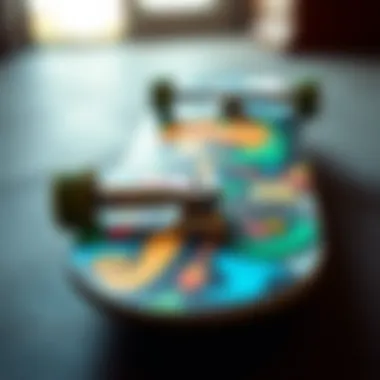
Last but certainly not least, the graphic designs and customization options on mini skate decks present a unique, personalizing touch that many riders relish. From intricate artworks to bold logos, the range is vast. Customization allows skaters not only to express personal style but also to create an identity, fostering a sense of belonging within the skating community.
Among the notable features of these designs is the ability for skaters to collaborate with artists or use online platforms to create one-off graphics that resonate with their individual taste. It’s through these designs that the character of each mini deck is brought to life.
While customization can sometimes lead to higher costs, it generally results in a board that feels truly unique to the rider, symbolizing their passion and commitment to the sport.
"In many ways, the mini skate deck transcends functionality; it becomes a canvas for expression while simultaneously serving as a tool for creativity in movement."
The exploration of design and material used in mini skate decks reveals an intricate narrative of performance, style, and individual expression. As skaters continue to seek new ways to personalize their gear, understanding these aspects becomes essential in both appreciating and engaging with the evolving landscape of mini skateboarding.
Advantages of Mini Skate Decks
Mini skate decks have carved out a niche in the broader skateboarding landscape, appealing to both fledgling skaters and seasoned pros alike. Their unique attributes provide several benefits that enhance the overall skating experience, making them a topic of interest for enthusiasts and collectors. In this section, we will unpack the nuances of these advantages, focusing on portability, convenience, and an ability to perform tricks that thrill as much as they challenge.
Portability and Convenience
When it comes to portability, mini skate decks certainly shine. Imagine you live in a bustling city, hopping from train to bus, with little room in your bag. That's where the smaller size of these decks kicks in, fitting easily into a backpack or even a large handbag. What’s more is that you can carry one without feeling like you're lugging around a piece of sports equipment. This convenience is not just a perk; it translates into a lifestyle choice for many skaters who often find themselves navigating urban landscapes.
- Easy to carry: Thanks to their lightweight and compact design, you can easily carry mini decks to school, work, or any social gathering. They make an ideal companion for spontaneous skating sessions wherever you are.
- Quick to set up: Setting up your ride doesn’t take long. You can be on the move, practicing tricks in the park or finding a flat surface in a busy plaza in no time flat.
- Less intimidating for beginners: For newcomers to the skateboarding scene, mini decks might just be the best first step. Their size often feels less daunting, encouraging more folks to give skateboarding a try.
All these factors contribute to making mini skate decks not just a practical choice, but practically an essential option for modern skaters.
Enhanced Tricks and Maneuverability
Moving onto the aspect of tricks and maneuverability, mini skate decks stand out for their agility. Their smaller size allows skaters to perform tricks that might be harder with a standard-sized deck. Here are some specifics on how they enhance performing skills:
- Tighter turns and flips: The reduced size means skaters can execute tighter turns and flips with greater control. This kind of precision is crucial for mastering advanced tricks and showing off style during skate sessions.
- Better response: Mini decks respond swiftly to foot movements, making them nimble when performing ollies, grinds, or flip tricks. This agility increases the fun factor and the ability to express oneself while skating.
- Perfect for urban environments: In crowded city areas where space is limited, the ability to maneuver effortlessly becomes a significant advantage. Players can dart in and out of tight spots, making those mini boards perfect for urban skating.
Challenges and Limitations
In the world of mini skate decks, challenges and limitations are crucial to understand for skaters, hobbyists, and instructors alike. Unlike their full-sized counterparts, mini decks come with a unique set of pros and cons. Being aware of these can guide not only the choice of the deck but also the rider's approach to learning and tricks. Let's take a closer look at the intricacies involved.
Skill Level Requirements
Mini skate decks are not for the faint of heart. The skill level required can vary greatly based on one’s familiarity with skateboarding. For beginners, mini decks might feel like climbing Mount Everest without any training. The smaller area for foot placement may lead to trickier movements, requiring more precision and control. Rounding the edges of a mini deck makes it less forgiving for those still mastering the basic stances and movements.
Riders already familiar with traditional skateboards might think switching to a mini deck would be a walk in the park. However, here’s where the plot thickens. It’s almost like switching from a bigger horse to a galloping pony. Sure, the speed is still there, but the handling feels different. The quicker reactions and micro-adjustments necessary can throw an experienced skater for a loop at first.
"Adjusting to a mini deck is like dancing on a dime; every move counts, and missteps are more easily made."
For novices, starting on a larger deck can offer a safety net, helping them get accustomed to the motions before diving into mini skateboarding. Alternatively, those who dive straight into mini skating without prior experience may find themselves hitting the pavement more often than they’d like. It’s a balancing act that requires dedication and patience.
Durability Concerns
Durability is another key concern when it comes to mini skate decks. These smaller boards are often made from similar materials as traditional skateboards, often 7-ply maple wood or various composites. However, the scale down introduces new challenges. The compact size might make them feel less robust, especially under extreme conditions or impact. Frequent landings and tricks can cause wear and tear more swiftly than one might expect.
Riders often face the reality that mini decks can have a shorter lifespan compared to larger decks, especially if they’re being put through rigorous use at skate parks or during street sessions. One scrape too many and it’s game over; a crack or split can render a mini deck unusable rather quickly. This means that skaters have to be more conscientious about maintenance and care. Regular checks for stress marks, and nicks, and even a touch of re-glue can make a world of difference.
Moreover, not every brand offers the same level of craftsmanship, which can lead to varying degrees of durability. Some boards might hold up under pressure better than others, making it essential to research companies or seek recommendations before making a purchase. It's akin to breaking in a new pair of shoes; they may look great but won't last long if the build quality isn’t up to scratch.
In summary, the world of mini skate decks is filled with both excitement and challenges. By understanding the skill level required and being aware of durability limitations, riders can better position themselves for a smoother journey. As with any sport, knowledge is power, and taking these factors into account ensures a more enjoyable skating experience.


Customization and Personalization
Customization and personalization hold a significant sway in the realm of mini skate decks. They do not simply add flair but also transform a basic riding experience into a deeply personal expression of identity and style. As skaters, expressing individuality is crucial, and mini skate decks offer the perfect canvas for such creativity. This section dives into the importance and aspects of customization that cater to both aesthetic and performance needs.
Artistic Expression through Graphics
Graphics on mini skate decks serve as more than just decoration; they encapsulate stories, values, and personal taste. Skaters often choose designs that resonate with their personalities or current trends. For example, a rider might opt for vivid graphics that reflect their bold personality or for minimalist designs that symbolize their appreciation for a clean aesthetic.
- Cultural References: Many skaters incorporate elements from their favorite music, art, or pop culture. This demonstrates how closely intertwined skateboarding culture is with broader societal trends.
- Custom Artwork: Artists and skaters alike can collaborate to create unique designs. This not only elevates the visual appeal of the deck but also supports local artists, fostering a community of creativity.
- Brand Loyalty: Some graphics may symbolize allegiance to certain brands or teams, helping create a sense of belonging among like-minded enthusiasts.
When considering artistic choices, it’s vital to ensure that any graphics are applied with high-quality materials. Poorly done graphics can peel or fade, detracting from the overall look of the deck and potentially affecting the rider’s image.
Tailored Performance Modifications
Beyond aesthetics, performance modifications on mini skate decks are essential for any serious skater looking to up their game. Adjusting certain elements can drastically change the riding experience, making it more suited to individual skating styles. Key modifications include:
- Grip Tape Selection: The type and grit of grip tape choice can enhance control, allowing for precision in executing tricks. Skaters who prefer a certain texture or look can select from a variety of grip tape designs, furthering personalization.
- Truck Adjustments: Depending on your riding style – whether you're into street skating or more vert – altering the truck width or height affects stability and maneuverability. Some skaters swap out trucks for lighter or more balanced options, allowing for better tricks and control.
- Wheels and Bearings: The size and hardness of the wheels can impact how the mini deck rides. Softer wheels provide more grip, ideal for rough surfaces, while harder wheels are better for smooth terrain. Additionally, bearings can be customized to achieve the desired speed and smoothness, which is critical for serious skaters.
"Customization not only enriches the skater’s connection to their ride, but it is also a reflection of their journey and evolution within the sport."
The world of mini skate decks is a playground for artistic expression and performance enhancement. By offering avenues for customization, skaters not only achieve a product that meets their functional needs but also tell their unique stories through their decks. Whether through colorful graphics or tailored modifications, each mini deck becomes a distinct emblem of personal identity in the skateboarding community.
The Mini Skate Deck Community
The community surrounding mini skate decks is a vibrant tapestry of skaters, enthusiasts, and creatives who share a common passion. It plays a crucial role in not only fostering friendships but also in the growth and evolution of mini skating culture. To understand its significance, we have to look into what connects people within this space and how these connections bolster the mini skate deck scene.
Online Forums and Social Media Presence
In today's digital era, online platforms reign supreme in shaping community interactions. For mini skate decks, websites like Reddit and various Facebook groups have become foundations for discussion and sharing. These forums allow skaters of all skill levels to exchange tips, showcase their boards, and inquire about custom modifications. Casual conversations often evolve into deeper discussions about design trends, the latest products, or even personal anecdotes surrounding skates.
Users actively post about their experiences, from the exhilaration of landing a new trick to the frustration of deck breakage. Memes and videos spark humor and camaraderie among members, reducing barriers between experienced skaters and newbies alike. It creates an environment conducive to growth and learning, where everyone can thrive together.
Notably, popular hashtags on Instagram and TikTok, such as #MiniSkateboard, contribute significantly to this online presence, enabling enthusiasts to flaunt their tricks and unique setups. This visibility further enhances the sense of community.
"A community built on shared experiences enriches the culture, inviting more skaters to discover and explore mini decks."
Local Meetups and Events
While online engagement forms a strong base, local events provide the backbone that solidifies relationships in real life. From mini skate tournaments to casual jam sessions in local parks, these gatherings breathe life into the community. Organizers often set up competitions that showcase skill levels across the board, allowing both rookies and veterans to partake and show off their moves.
These events also serve as platforms for networking. Skaters can exchange ideas and techniques in person while also marveling at various artistic board customizations. The atmosphere buzzes with excitement as people come together, sharing meals, knowledge, and laughs while enjoying their passion.
Additionally, local skate shops will sometimes host workshops or demos featuring expert skaters. These interactions can be vital for newcomers looking to build confidence and learn from those who’ve mastered the craft. Local meetups foster a family-like connection, transforming acquaintances into friends who share in the highs and lows of skating.
Through a blend of online forums and on-the-ground events, the mini skate deck community remains an engaging and vital part of the skateboarding culture. It's about sharing experiences, friendships, and a passion that continually inspires countless individuals to embrace the essence of mini skate decks.
Future of Mini Skate Decks
As we look ahead, the future of mini skate decks appears vibrant and full of potential. This segment of the skateboarding community continues to gain traction, appealing to a diverse spectrum of enthusiasts. The mini skate deck scene has the dual benefit of catering to both younger riders just starting out and experienced skaters who crave creativity and unique challenges.
Innovations in Design and Technology
The evolution of mini skate decks is heavily tied to advancements in both design and technology. The skateboarding industry is always pushing boundaries, and mini decks are no exception. The materials used for these compact boards have seen significant improvements in durability and performance. For example, the rise of carbon fiber composites has provided riders with a lighter deck that can withstand the rigors of skating while enhancing agility.
Additionally, modern designs feature features like concave shapes that allow for various tricks and maneuvers unique to mini skateboards. Some companies are even incorporating smart technology into their decks, which can monitor performance metrics and provide feedback through connected apps. This melding of skateboarding and technology is reshaping how enthusiasts interact with their boards, making it an exciting time for new entrants into the market.
"As innovation feeds creativity, mini decks are going to become a playground for both veterans and newcomers alike."
Predicted Trends in Skateboarding Culture
The culture surrounding skateboarding is as dynamic as the tricks performed on the boards. Mini skate decks are poised to play a significant role in various emerging trends. One notable trend is the growing crossover between skateboarding and art. Mini decks often serve as canvases for artistic expression. Local artists are increasingly partnering with brands to create limited-edition designs, blending functionality with aesthetics.
Additionally, we are noticing a surge in community-oriented activities. Pop-up skate communities and street art collaborations are becoming commonplace, encouraging engagement among skaters of all skill levels. Social media is also influencing the future; platforms like Instagram and TikTok showcase mini skate culture in real-time, amplifying its visibility. Skaters are finding communities not just locally but globally, connecting over shared passions and styles.
Overall, the future of mini skate decks encompasses a variety of innovations and cultural shifts. As technology continues to intertwine with the traditional aspects of skateboarding, the evolution is bound to attract a new generation of skaters while keeping the old guard engaged. With creativity and community at its core, the mini skate deck phenomenon is not just a fleeting trend; it’s building a legacy.